
Anterior Segment Wound
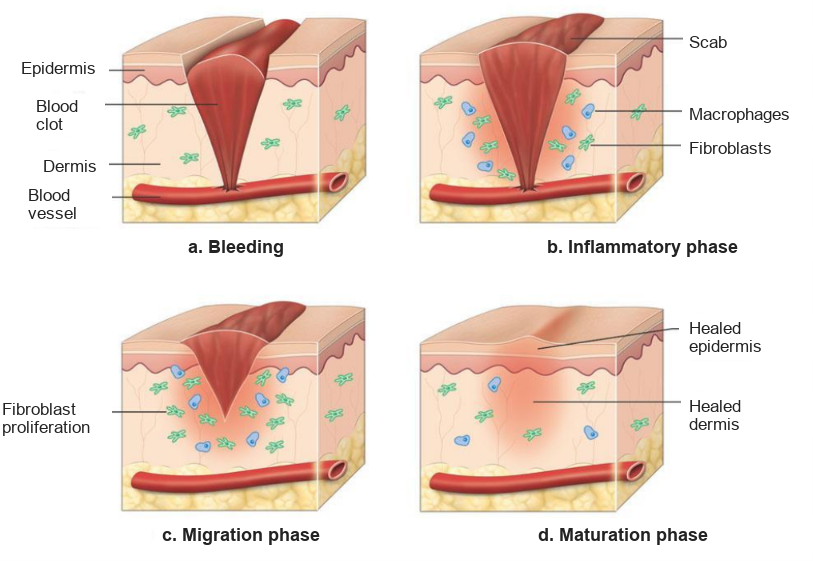
An anterior segment wound is an injury affecting the front part of the eye, known as the anterior segment. It can range from a minor scratch to a serious injury that may threaten vision.
This area includes the cornea (the transparent surface of the eye), the conjunctiva, the sclera (the “white” of the eye), and sometimes deeper structures such as the iris or the lens.
These injuries most often occur as a result of trauma (a blow or projectile), a domestic or workplace accident, a sharp or pointed object, or exposure to a foreign body or fragment (metal, glass, plant material, etc.).
What happens when the eye is injured?
Depending on the severity, the wound may be:
- superficial: it only affects the surface of the eye (for example, a corneal abrasion),
- deep: it passes through the tissues and may reach the inside of the eye (a serious emergency).
In the most severe cases, the wound can cause leakage of the eye’s internal fluids, infection, or impaired vision.
Signs, Treatment and Prevention
Warning Signs
An anterior segment wound often causes severe pain, significant redness, a foreign body sensation, blurred or reduced vision, and sometimes tearing or sensitivity to light.
Any suspected eye wound is a medical emergency.
Treatment: Prompt and Appropriate Care
Treatment depends on the depth and severity of the wound:
1. For superficial wounds
- cleaning the eye,
- eye drops (antibiotics, healing agents),
- sometimes an eye patch,
- close monitoring.
2. For deep wounds (emergencies)
- immediate treatment in a specialized medical facility,
- surgery to close the wound,
- antibiotic treatment to prevent infection,
- close follow-up to preserve vision.
What to Do in Case of an Eye Injury
- Do not rub the eye.
- Do not attempt to remove an embedded object.
- Protect the eye without applying pressure (using an eye shield or sterile gauze).
- Seek urgent care from an ophthalmologist.
Prevention
Prevention mainly involves a few simple precautions:
- wear protective eyewear when carrying out potentially hazardous activities (DIY, gardening, industrial work),
- take care when handling sharp objects or chemicals,
- protect children’s eyes during activities that may pose a risk of injury.