OPHTHALMOLOGICAL DIAGNOSIS
Understanding, assessing and preserving your vision
Ophthalmological diagnosis is the essential first step in assessing and managing your eye health. At African Sight Center, it is based on a comprehensive approach combining medical expertise with high-precision equipment to provide a reliable and accessible assessment of your eyes.
A Comprehensive Vision Assessment
During an eye examination, several tests may be performed to assess the overall health and function of the eye.
These may include:
- measuring visual acuity (distance and near vision)
- assessing optical correction needs
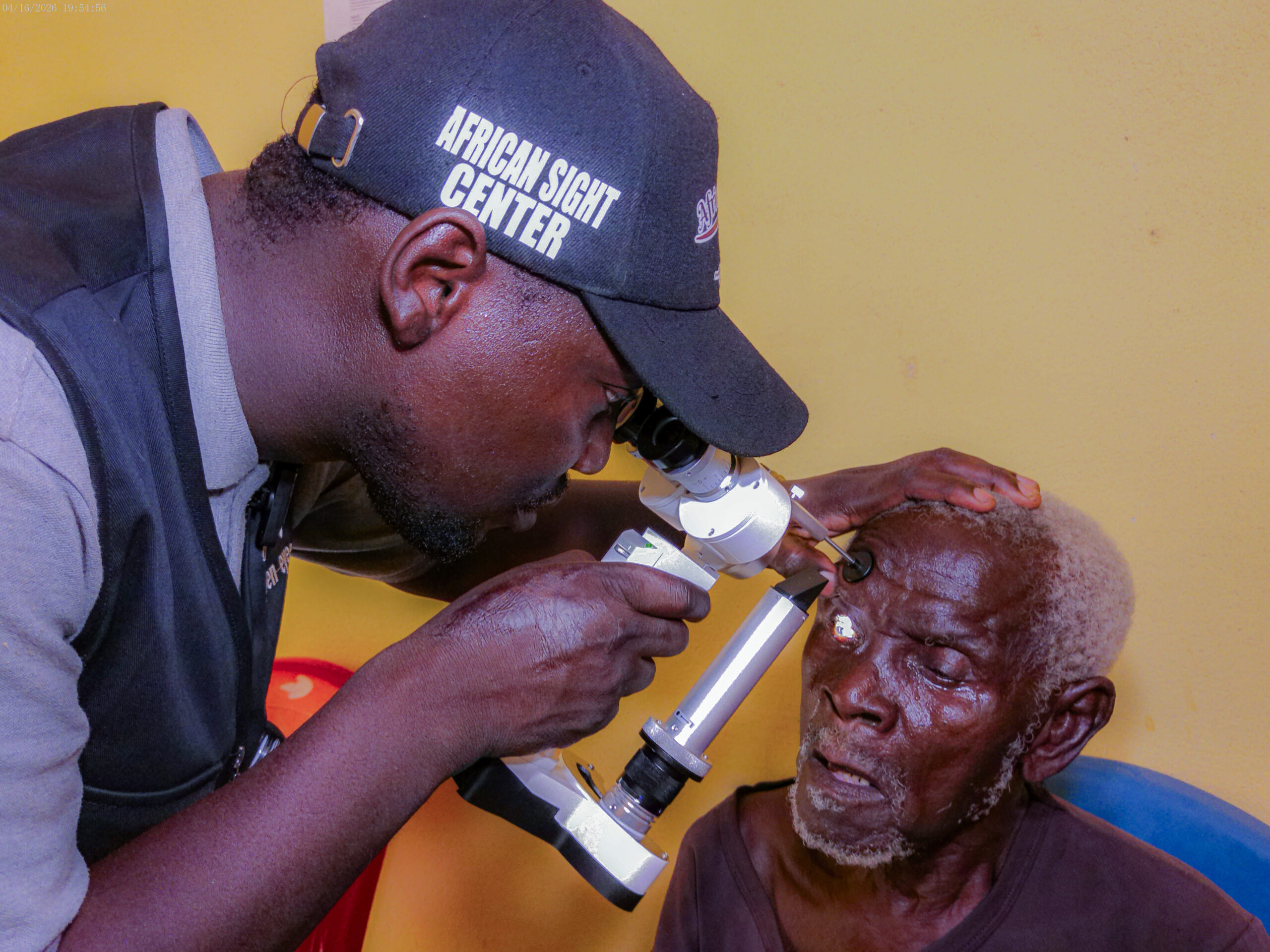
- examining the structures of the eye
- measuring intraocular pressure
- examining the back of the eye to assess the retina and optic nerve
These examinations are painless and provide an accurate assessment of your eye health.
Ophthalmological diagnosis is the essential first step in any eye care pathway. At African Sight Center, our approach is thorough, accessible and tailored to every patient, with clear explanations that can be understood by everyone.
A Key Tool for Detecting Eye Conditions
Eye examinations can detect many eye conditions at an early stage, including diseases that may initially cause no noticeable symptoms, such as glaucoma, cataracts, diabetic retinopathy, as well as refractive errors such as myopia, hyperopia and astigmatism. Early detection is essential to prevent irreversible vision loss.
At ASC, ophthalmological diagnosis is designed to address local healthcare needs by:
- making eye examinations accessible to as many people as possible
- detecting conditions that are common in the region at an early stage
- quickly referring patients for appropriate treatment
- raising awareness of eye health and prevention
Our goal is twofold: to provide treatment and to prevent avoidable visual impairment.
OPTOMETRIC EQUIPMENT AND RESOURCES
Advanced Equipment for Accurate Diagnosis
To ensure reliable, high-quality diagnosis, African Sight Center has a comprehensive range of technical equipment covering both medical examinations and the assessment of patients’ vision correction needs.
Our clinical examinations use equipment including:
- a slit lamp, which enables detailed examination of the structures of the eye, including the cornea, lens and conjunctiva
- phoropters, used to accurately determine the appropriate vision correction
- an optotype projector, used to measure visual acuity in a standardized manner
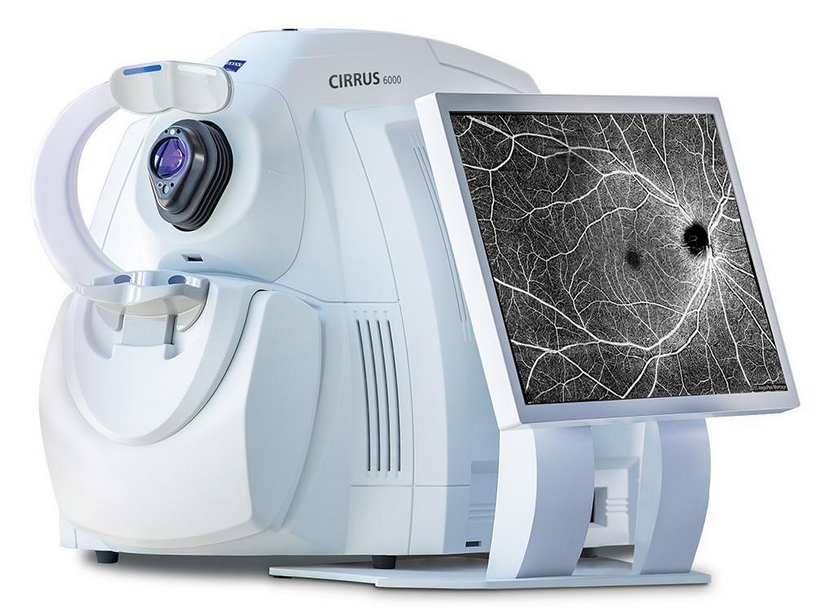
- an OCT (Optical Coherence Tomography) system, which provides detailed imaging of the retina, macula and optic nerve, enabling highly accurate monitoring of eye diseases
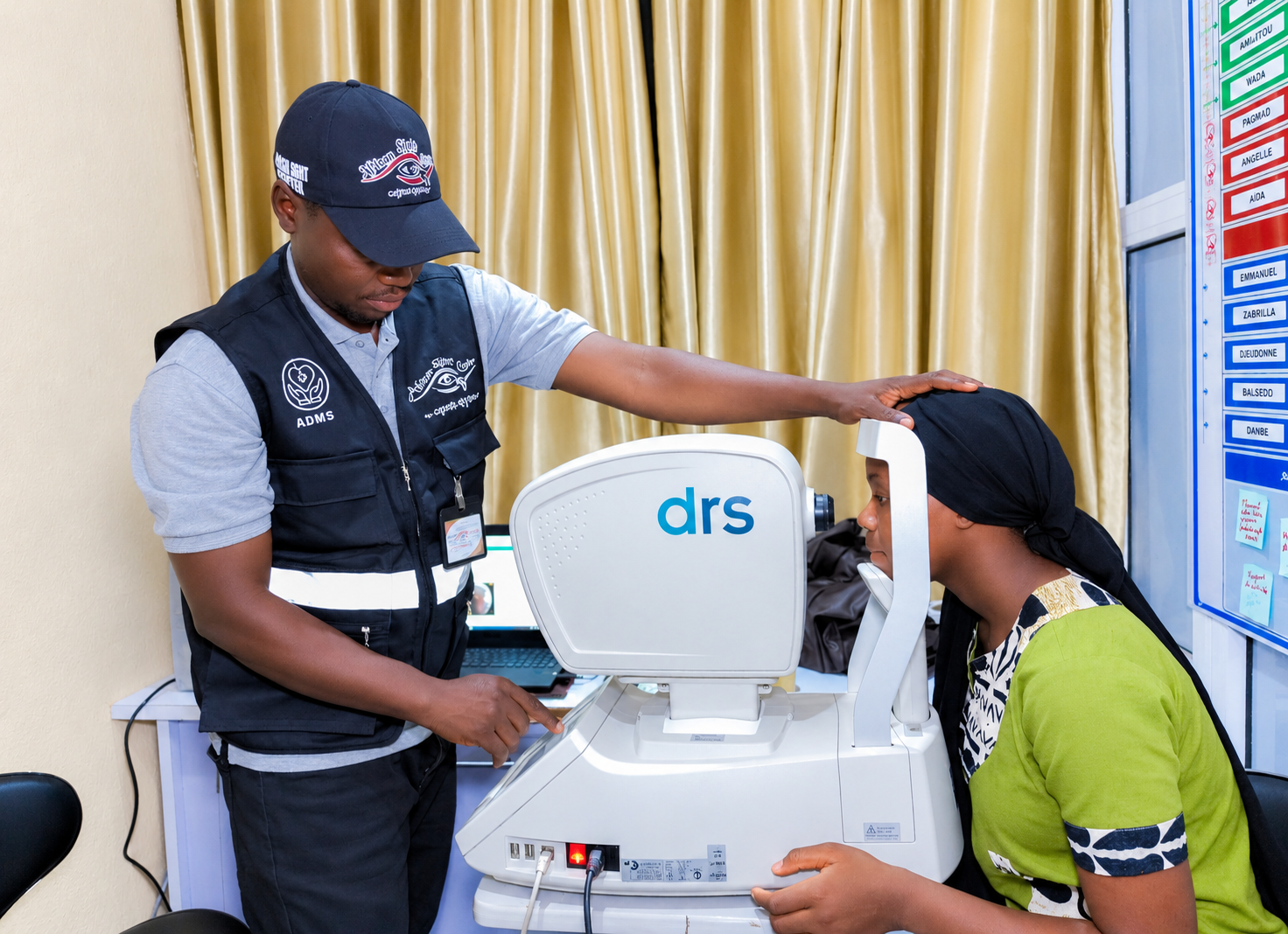
- a digital fundus camera, which captures images of the retina without dilation and facilitates rapid screening for conditions such as retinopathy and age-related macular degeneration (AMD)
- a tono-pachymeter, which measures both intraocular pressure and corneal thickness, two important parameters in glaucoma screening
- an automated perimeter, which assesses the visual field and is essential for detecting and monitoring optic nerve damage
These technologies enable earlier and more accurate diagnosis, leading to more effective patient care.
COMMUNITY-BASED EYE SCREENING
Bringing Eye Care to Patients
Because access to healthcare is a major challenge, some of our equipment is designed to be mobile.
This enables ASC to organize eye screening and consultation campaigns directly within communities, particularly in remote areas.
By bringing eye care closer to patients, this approach facilitates early diagnosis and enables visual disorders to be treated more quickly.