
Restoring Clear Vision, Safely
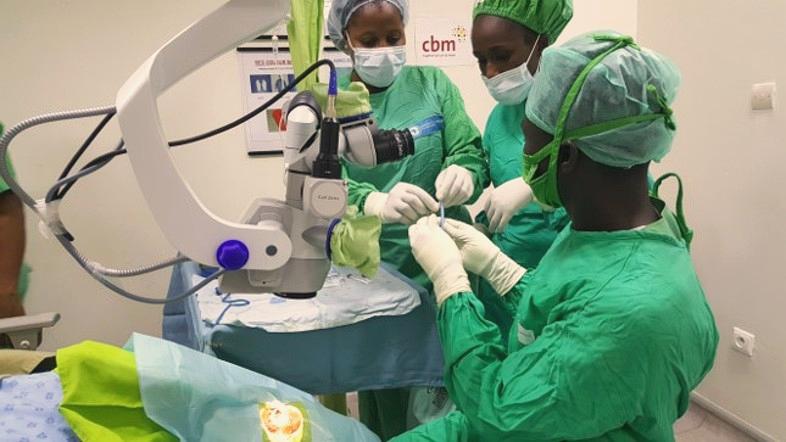
At African Sight Center, our goal is to provide surgical care that is safe, accessible and tailored to each patient.
In many cases, these procedures can help restore vision, relieve pain or prevent a condition from getting worse.
What Does Eye Surgery Involve?
Eye surgery may be required when medical treatments such as eye drops or corrective lenses are no longer sufficient.
Surgery may be needed to:
- remove an opacity in the eye, such as a cataract
- repair a damaged structure
- treat a progressive eye disease
- preserve vision
Procedures are performed using modern techniques, often within a short period of time and under strict safety conditions.
SURGICAL PROCEDURES
Cataract Surgery
Treatment involves removing the cloudy lens and replacing it with an artificial lens, known as an intraocular lens (IOL).
Cataract surgery is a short and commonly performed procedure that generally results in a significant improvement in vision.
Anterior Segment Surgery
The anterior segment is the front part of the eye and includes the cornea, iris and lens.
Surgery may be required for:
- eye injuries or trauma
- certain infections
- glaucoma, to help reduce pressure inside the eye
- corneal disorders
These procedures aim to preserve the structures of the eye and maintain functional vision.
Retinal Surgery
The retina is the part of the eye that detects light and sends visual information to the brain.
It can be damaged by a number of conditions, including:
- diabetic retinopathy
- retinal detachment
- infections or inflammation
Depending on the condition, treatment may include injections, laser therapy or specialized surgery.
The goal is to stabilize the condition and, whenever possible, improve vision.
Eye Emergencies
Some eye conditions and injuries require urgent medical attention, including:
- an open eye injury
- a foreign body in the eye
- eye trauma
- sudden eye pain accompanied by loss of vision
Prompt medical attention is essential to reduce the risk of serious complications and preserve vision.
OCULOPLASTIC SURGERY:
PROTECTING AND RESTORING THE EYE AND SURROUNDING STRUCTURES
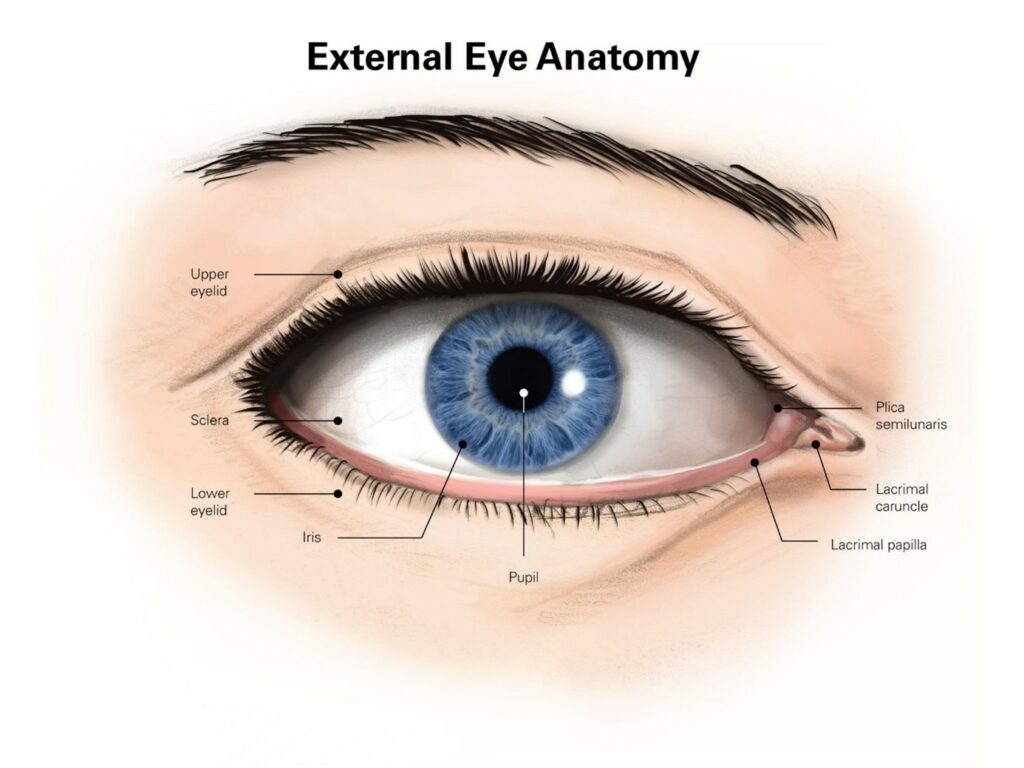
The health of the structures surrounding and protecting the eye is just as important as the health of the eyeball itself. Oculoplastic surgery includes procedures involving the eyelids, tear drainage system and eye socket (orbit).
At African Sight Center (ASC), we treat these conditions with two priorities: restoring proper function to protect your eyes and vision, while preserving the natural appearance and harmony of the face.
Eyelid Surgery: Malpositions and Other Conditions
The eyelids act as a protective shield for the eyes. When they are incorrectly positioned or begin to droop, they can interfere with vision, cause discomfort or expose the eye to complications:
- Ectropion: the eyelid becomes loose and turns outward, which can cause dryness and redness.
- Entropion: the eyelid turns inward, causing the eyelashes to rub painfully against the cornea.
- Ptosis: drooping of the upper eyelid due to weakness or dysfunction of the muscles responsible for lifting it, sometimes reducing the field of vision.
- Eyelid lesions and tumors: surgical removal of small benign or malignant growths, followed when necessary by careful reconstruction to restore eyelid function and appearance.
- Persistent chalazia: a minor drainage procedure may be performed when local medical treatment is not sufficient.
Tear Duct Surgery
Tears constantly lubricate the surface of the eye before draining through small channels leading toward the nose. When these drainage pathways become blocked, tears may continually overflow, causing chronic watering of the eye and increasing the risk of recurrent infections.
To restore normal tear drainage, we perform specialized procedures such as dacryocystorhinostomy (DCR).
This procedure bypasses the obstruction by creating a new drainage pathway for tears. It can significantly reduce persistent tearing and help prevent recurrent infection of the lacrimal sac, known as dacryocystitis.
SURGICAL EQUIPMENT AND RESOURCES
Precise Measurements Before Surgery
The center is equipped with an LS 900 optical biometer, a high-precision device used to measure the eye.
It is used to:
- measure the dimensions of the eye
- calculate the power of the intraocular lens to be implanted
- plan cataract surgery according to each patient’s individual measurements
This step is essential to achieving the best possible visual outcome after surgery.
Replacing the Natural Lens with a Suitable Implant
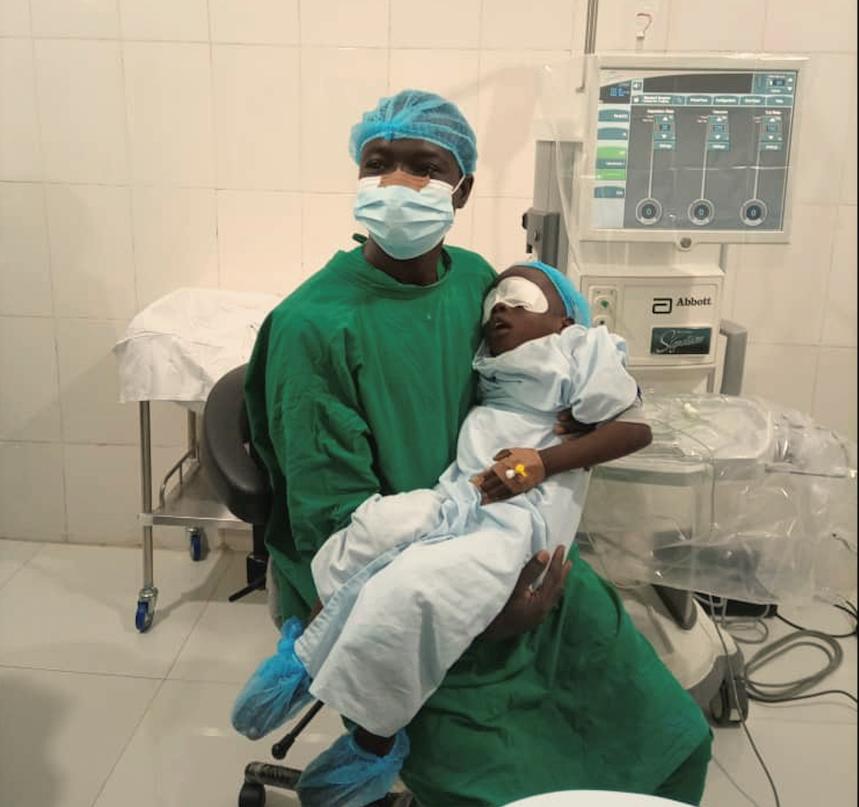
During cataract surgery, an intraocular lens (IOL) is used to replace the eye’s natural lens.
The lens is selected according to each patient’s individual needs and eye measurements. Intraocular lenses are designed to provide clear vision, remain in the eye over the long term and be well tolerated.
They are inserted into the eye using a dedicated injection system designed to ensure precision and safety.
Ensuring Optimal Surgical Conditions
The center is also equipped with:
- specialized electric surgical tables, allowing the patient and equipment to be positioned precisely
- headrests and positioning systems, providing stability and comfort during surgery
This equipment helps surgeons perform procedures safely and accurately while improving patient comfort.
WHY CHOOSE AFRICAN SIGHT CENTER?
- Rigorous surgical expertise: Each procedure is tailored to the patient’s anatomy and individual needs, with the aim of achieving the best possible functional and natural-looking result.
- Modern, patient-centered care: Most of these procedures can be performed on an outpatient basis, allowing patients to return home the same day. Depending on the procedure, local anesthesia may be used. Surgery is carried out in our dedicated, sterile and secure surgical facilities in Maroua.
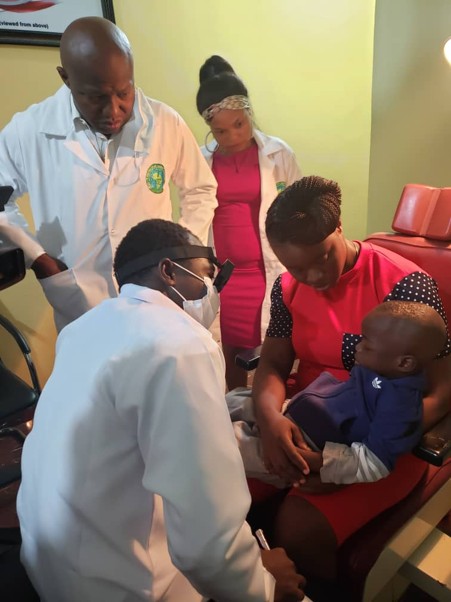
- Support throughout your care: From the initial diagnosis to postoperative follow-up visits, our team supports you at every stage, monitoring your comfort and recovery.
Book an Appointment :
If you experience persistent watery eyes, eyelid discomfort or a skin lesion near the eye, contact our team to arrange a diagnostic consultation.